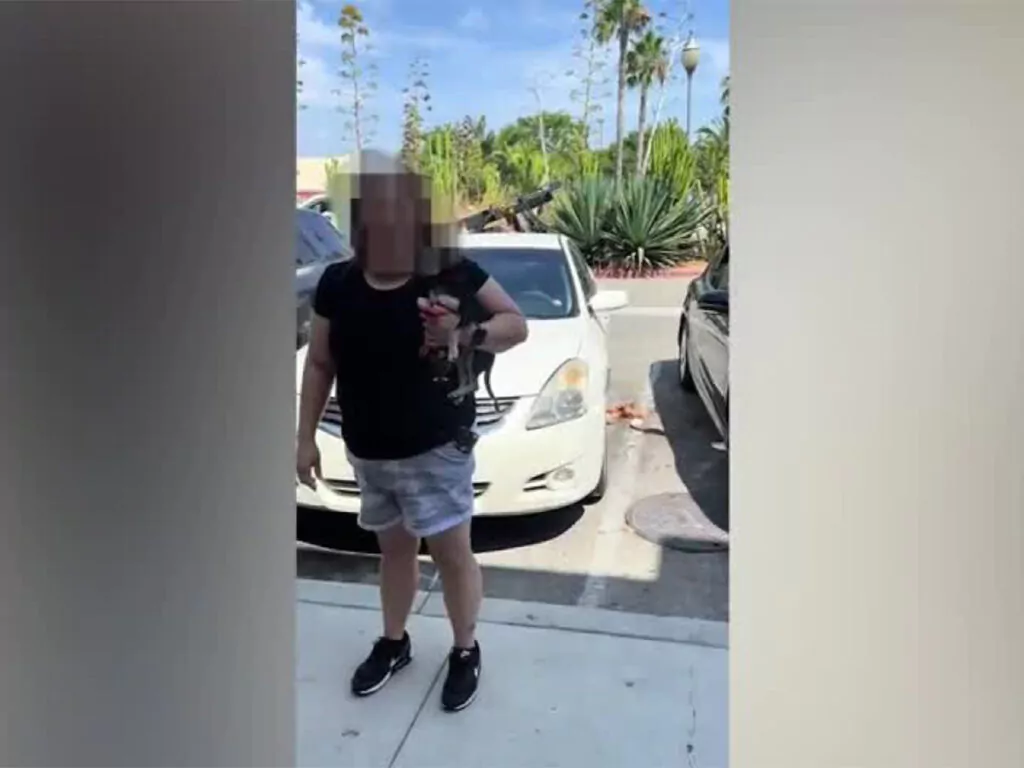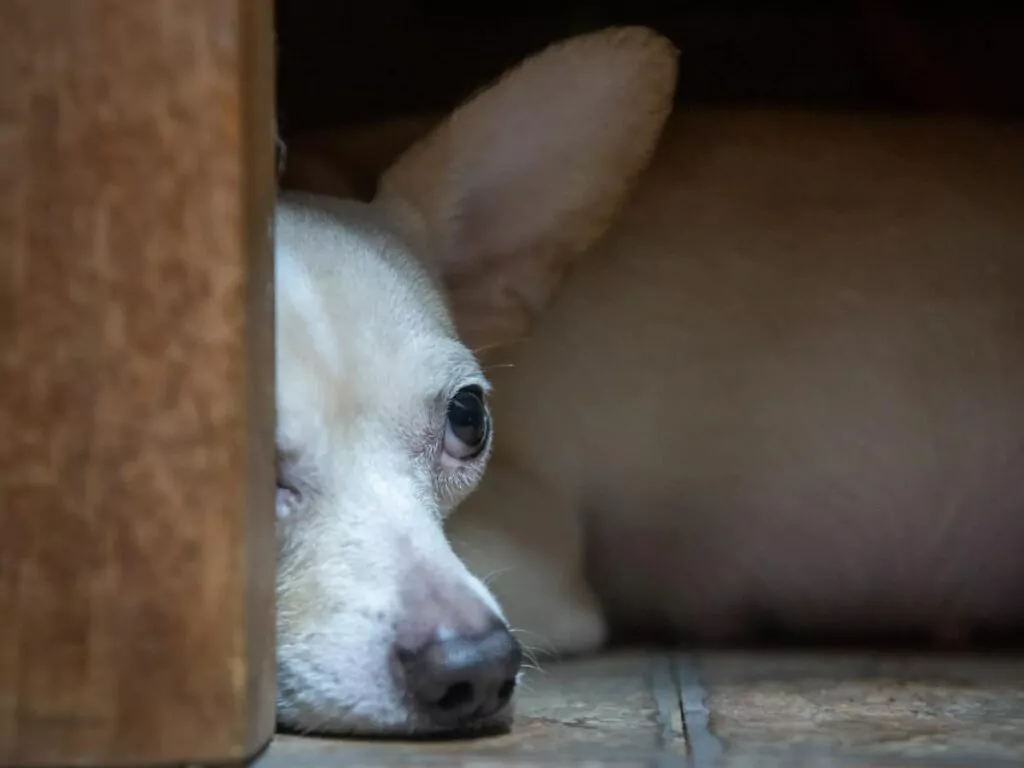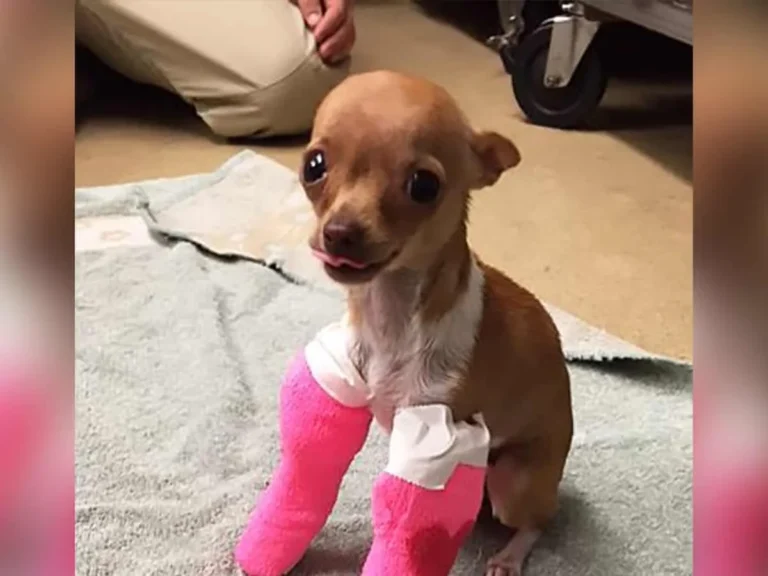


Pepito spent fourteen months in the kennel at the Pomona Humane Society before a foster pulled him out. He is a seven-year-old smooth-coat chihuahua with three missing premolars, a slight forelimb limp from a 2022 fracture that healed without veterinary intervention, and a kennel-card temperament rating of "selective with strangers, slow approach required." Translation, from the volunteer who gave it to me: he had bitten two potential adopters during meet-and-greets and growled at a third. He was not, in shelter language, an easy placement.
Tag @ChihuahuaCorner if you know a chihuahua who needs a second chance. We follow up on every lead we can verify.
favoriteThis is the longer-form version of how to adopt a chihuahua at the senior-and-bite-history end of the pipeline.
Why Senior Chihuahuas Sit on the Adoption List
The chihuahua is the most surrendered toy breed in California shelters by a significant margin; the ASPCA intake-and-surrender data corroborates the trend nationally. Within the surrendered population, senior dogs with behavioral notes are over-represented at the back of the list. Adopters arrive looking for puppies; the volunteer-shelter literature, including the 2018 Animal Sheltering data review, places median time-to-adoption for chihuahuas under two years at fourteen days and for chihuahuas seven and older at over six months.
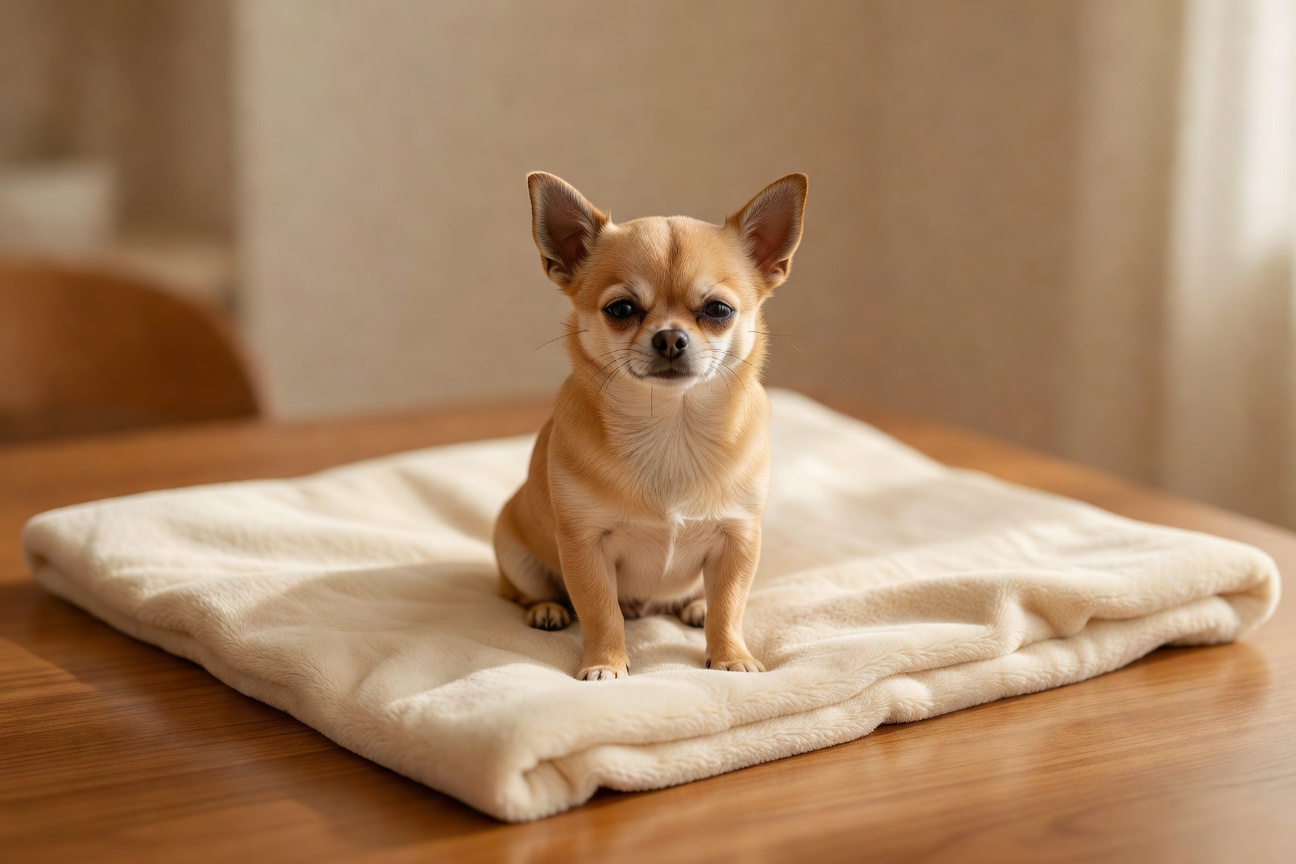
The behavioral notes compound the problem. A bite history, in shelter intake forms, is a hard filter for many adopters and most insurance underwriters. The dogs who carry the note are, in many cases, frightened older dogs who can be rehabilitated by the right home; the dogs do not get there because the right home does not see them.

Pepito's Specific Story
The foster who pulled Pepito is a paralegal in Claremont named Diane, who has fostered chihuahuas for the rescue for eleven years and has, by her count, placed forty-three dogs. She runs a quiet household, no children, no other dogs, and a specific protocol for fearful seniors: the dog is not picked up for the first ten days; the dog is not approached; the dog is given a low covered bed in the corner of the living room and observed.
Pepito approached Diane on day three, took a piece of boiled chicken from her open hand on day four, and slept in the same room as her on day five. By day twelve, he was sleeping on the couch. By week six, he was sleeping on her bed. The two bites that had appeared in his kennel notes did not recur with Diane; the growl, by Diane's account, has not appeared since week three.
The Adopter Who Took Him Home
Pepito's adopter is a retired teacher in San Bernardino named Carl, sixty-seven, recently widowed, who specifically asked the rescue for an older chihuahua with a behavioral note. Carl had read the longer-form adoption resources, including AKC's senior-dog adoption guide, and had decided he wanted a dog who needed quiet more than he needed athletic walks. The match took, by Diane's account, four days of supervised visits, with Pepito setting the pace and Carl learning the body-language vocabulary.
The companion three-ways-to-bond piece covers the trust-building work; the seven signs piece covers the body-language vocabulary that an adopter of a fear-history chihuahua needs to read fluently.
How to Adopt a Chihuahua, Practically
The path through a small-breed rescue, rather than a shelter, dramatically increases the odds of a stable placement, particularly for behavioral-note dogs. Rescues run foster-based assessment; the dog's behavior in a home is a more accurate predictor than behavior in a kennel. The transport network covered in the companion Harley puppy-mill piece is the same network that places dogs like Pepito.
If you are considering an older or behaviorally complicated chihuahua, the practical questions to ask the rescue: what does the dog's daily routine look like in foster, what triggers have been observed, what is the foster's read on the dog's long-term outlook, and what kind of household setup would the foster recommend. A foster who has lived with the dog for thirty days knows more about the dog than a kennel card ever will.
Where Pepito Is Now
Carl sends Diane a photograph once a month. Pepito is sleeping in a wing chair in Carl's living room in most of them, with the slight forelimb limp visible only in the early-morning shots. He is eight now. The growl, by Carl's account, has not reappeared. The household is quiet. The dog is, by every visible signal, settled.
For more on the rescue beat, browse the Rescue desk or subscribe for the next dispatch.
How You Can Help volunteer_activism
Five concrete ways to help. Pick one and start this week.
Adopt
Adopt a chihuahua from a local rescue or transport network.
Foster
Foster a dog while the rescue finds a permanent home.
Donate
Recurring monthly donations cover the bills rescues plan around.
Volunteer
Offer your time and skills to a rescue near you.
Share
Share the dogs your local rescue is trying to place this week.
Frequently Asked Questions help
help_outline How do I start fostering a chihuahua? expand_more
Find the rescue closest to you, send in the foster application, and ask for a home check date. The process usually takes two to four weeks.
help_outline Why are chihuahuas so often in shelters? expand_more
Southern California shelter intake has been the largest single source for two decades, driven by backyard breeding and inconsistent spay-and-neuter access. Transport programs move dogs north to foster networks across the country.
help_outline What does a rescue actually need from a donor? expand_more
Recurring monthly support, foster homes, and in-kind donations of crates and exercise pens. Most rescues list the same three needs in the same order.
Share Hope’s Story Your share can be the reason another small dog gets home.
favorite