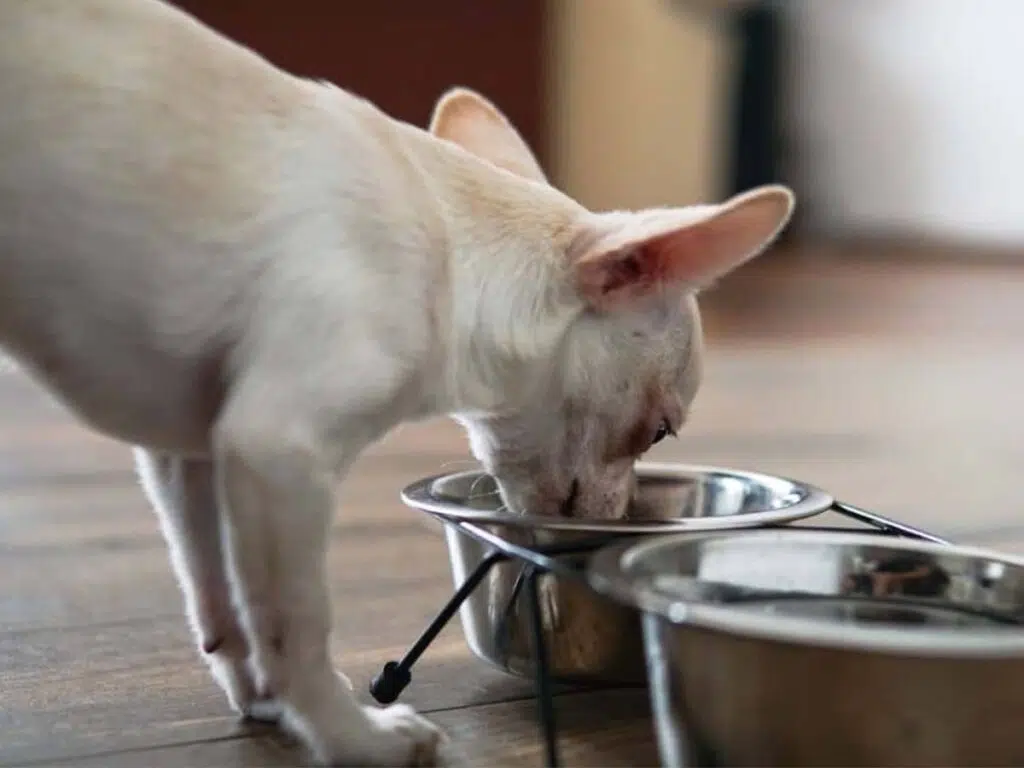


If you are considering a chihuahua and your heart has, in approximately four seconds of looking at a small puppy on the internet or at a breeder, fully decided that yes, this is the dog, the question becomes whether your brain can catch up before the decision becomes irreversible. A chihuahua is a 14-to-18-year commitment to a specific kind of small companion animal with specific needs. Below is the practical framework for the brain side of the decision.
I want to be honest about the framing. This is not a piece designed to talk anyone out of a chihuahua; the breed is, in the right household, a remarkable companion. The piece is designed to help the household identify whether their specific situation aligns with what the breed actually needs. The match matters.
The time commitment, plainly
A chihuahua, as a daily reality:

- Fifteen to thirty minutes of structured engagement per day, minimum, distributed across short walks, training sessions, and play. A separate piece on activities covers what this looks like in practice.
- Two to four bathroom trips per day for adult dogs; more for puppies and seniors. The household needs to be available for these or to have arrangements for them.
- Two meals per day at consistent times. Erratic meal schedules produce a less stable dog.
- Daily dental care, ideally a brief brushing routine. The dental-care primer covers why this matters more for chihuahuas than for many breeds.
- Weekly grooming maintenance, mostly brushing for short coats and more involved care for long coats.
- Annual or twice-annual veterinary visits, with appropriate budgeting for unexpected issues.
In aggregate, the time investment is roughly an hour a day on average, with peaks during illness or training periods. Households whose schedules cannot reliably accommodate the daily hour are, on the available evidence, not a good fit for the breed.
The financial commitment, briefly
A reasonable budget estimate over a 14-year lifespan:
- Initial purchase or adoption: $200 to $3,500 depending on source. The buy-versus-adopt comparison covers the breakdown.
- Initial supplies: $200 to $300 for the lean kit. The supplies piece covers the specifics.
- Annual food and supply replenishment: $300 to $600.
- Annual veterinary care: $400 to $800 for routine wellness; more if complications arise.
- Pet insurance, optional but reasonable for the breed: $400 to $1,400 per year. The pet insurance piece covers the math.
- Boarding or pet-sitting: variable; $30 to $60 per day for the dog's care during trips.
- Unexpected medical expenses: the breed has predictable risk for dental work, patellar issues, and cardiac care. A reasonable household financial buffer is several thousand dollars over the dog's lifespan.
Total over 14 years: roughly $25,000 to $45,000, depending on choices and the dog's specific health profile. This is not, on examination, a small commitment.
Children in the household, briefly
The chihuahua-and-children question is one I have had with many prospective households. The honest answer:
- Very young children (under five) are not a great match for chihuahuas. The size differential is meaningful; a child can injure a chihuahua unintentionally during normal play, and a chihuahua's defensive response to handling that goes wrong can produce a bite. Both directions of injury are real.
- Older children (six and up), with structured supervision, can do well with chihuahuas. The child needs to be old enough to follow the dog's body-language cues and to give the dog space when she signals discomfort.
- Teenagers and adult households are, on the available evidence, the best fit for the breed.
The household that has children under five and is considering a chihuahua should think carefully about the next several years and whether the timing is right. Many chihuahua households I know waited until the youngest child was older.

Other pets in the household, briefly
A few specifics:
- Cats and chihuahuas can coexist well in many households, with structured introductions and the cat having access to a vertical retreat.
- Larger dogs and chihuahuas require careful management. The size differential creates injury risk during normal play. Some pairings work beautifully; some do not.
- Two chihuahuas can work, but the introduction protocol matters. A separate piece on multi-chihuahua dynamics covers the considerations.
- Small mammals (hamsters, gerbils, rabbits) are not safe in the same room as a chihuahua. The breed's prey drive is real.
The lifestyle fit, briefly
A few specific lifestyle considerations:
Apartment living: good fit. Chihuahuas are small enough to thrive in apartments, with adequate daily walks. The size compatibility with rental restrictions is a real benefit.
House with yard: good fit, with caveats. The yard is useful but does not replace structured walks. The yard also needs to be chihuahua-secure; gaps in fencing or deck railings are real risks.
Frequent travel: harder fit. Chihuahuas tolerate being left with sitters but prefer routine. Households that travel monthly or more should think about the boarding arrangements before committing. A separate piece on pet sitters covers the broader frame.
Active outdoor lifestyle: limited fit. Chihuahuas can do moderate hiking and outdoor activity, but not the all-day adventures larger breeds enjoy. The temperature math and the small body are real constraints.
Quiet retiree household: excellent fit. The breed and the lifestyle align unusually well. The buy-versus-adopt comparison covers the senior-adoption option specifically.
When the fit is not right, briefly
A few honest signs that a chihuahua may not be the right breed for your specific household:
- The household has children under five and the timing cannot wait.
- The household has a daily schedule that genuinely cannot accommodate the structured engagement and bathroom trips.
- The household has previously had small dogs and felt they were "too much work" rather than "too small."
- The household is looking for a dog who can be left alone for nine to ten hours daily without arrangements.
- The household has young children plus a busy schedule plus an active outdoor lifestyle, all simultaneously. Some breeds match this; the chihuahua does not.
The bottom line, with the usual caveat
The chihuahua is, in the right household, a remarkable companion, and the right households span a wide range. The wrong households are also a real category, and the cost of getting the match wrong is borne mostly by the dog. A separate piece on the pre-adoption frame covers the broader screening; a separate piece on shelter intakes covers the downstream of households that did not, on careful examination, match the breed.
Talk to your veterinarian and to chihuahua owners in your social network before deciding. The AKC chihuahua breed page covers the formal breed description; the practical day-to-day reality is what this column has been about. The cute-puppy moment is real and powerful; the 14-year commitment is what you are actually deciding about.
Health at a Glance: What to Watch monitor_heart
| Condition | Key Signs | Prevention Tips |
|---|---|---|
| Dental Disease | Bad breath, tartar, red gums | Daily brushing, dental treats |
| Patellar Luxation | Limping, skipping, leg lifting | Weight control, avoid high jumps |
| Tracheal Collapse | Dry cough, gagging | Harness walking, avoid smoke |
| Heart Disease | Coughing, fatigue, fainting | Regular check-ups, heart-healthy diet |
| Hypoglycemia | Shaking, weakness, lethargy | Small, frequent meals |
Community Insights – FAQ help
help_outline When should I call my vet about a behavior change? expand_more
Sooner than feels reasonable. A change in appetite, energy, or routine that lasts more than 48 hours is worth a phone call, not a wait-and-see.
help_outline How often should a healthy adult chihuahua see the vet? expand_more
Once a year through age seven. Twice a year from eight on. Dental checks are part of every visit.
help_outline Do chihuahuas need different care than larger breeds? expand_more
Yes. Smaller medication dosing, more frequent dental work, and closer monitoring for tracheal and patellar issues are standard in toy-breed care.
Have a health question? Ask your question in the comments. We will bring it up with the vet team.
favorite